
The Macro Surge: Demographics and Demand for African, Caribbean, and Halal Gastronomy
The global food and beverage landscape is undergoing a structural transformation driven by demographic expansion, urban migration, and evolving consumer palates. In key economic regions across the Greater Toronto Area in Ontario, major European capitals like Paris and London, and international urban centers, the demand for authentic African, Caribbean, and certified Halal culinary offerings has transitioned from specialized niche markets into mainstream economic powerhouses. Second- and third-generation diaspora communities, alongside an increasingly adventurous demographic of global food enthusiasts, are seeking high-quality, culturally authentic dining options with high frequency.
Despite this massive market expansion, independent restaurateurs in these verticals face distinct structural headwinds. Traditional brick-and-mortar operations struggle with digital visibility, high customer acquisition costs, and fragmented supply chains. Consumers seeking genuine cultural experiences or strict Halal dietary compliance are often underserved by broad-market platforms that treat specialized cuisines as afterthoughts. Capturing this growing market requires more than simple online listings; it demands an ecosystem built specifically around the unique operational, cultural, and logistics patterns of multicultural food commerce.
- High Customer Lifetime Value: Diaspora and Halal-conscious consumers demonstrate exceptionally high brand loyalty and order repeatability when trust and authenticity are established.
- Expanding Consumer Footprint: Mainstream adoption of West African Jollof rice, Caribbean Jerk flavors, and premium Halal dining options continues to outpace overall food service industry growth rates.
- Unmet Supply Potential: Hundreds of independent kitchen operators remain digitally underserved, relying on manual phone orders or unoptimized storefronts.
Why Generic Aggregators Fail Ethnic Hospitality: The Vertical Advantage
For over a decade, first-generation delivery aggregators dominated food service delivery. However, their one-size-fits-all model imposes severe operational and financial friction on independent specialized restaurants. High commission structures eroding already thin margins, combined with algorithm bias favoring corporate fast-food franchises, leave cultural dining operators disadvantaged. Generic platforms obscure merchant brand identity and fail to communicate crucial culinary nuances, such as Halal verification standards, regional spice profiles, or authentic ingredient sourcing.
Vertical FoodTech platforms redefine this dynamic by aligning technology directly with merchant success. By focusing exclusively on African, Caribbean, and Halal gastronomy, a specialized marketplace builds immediate consumer trust and aggregated demand. Rather than competing against thousands of unrelated listings, independent operators gain prominent positioning within a dedicated community of high-intent buyers. This vertical alignment lowers acquisition costs, increases average basket sizes, and preserves the cultural heritage and brand equity of independent food entrepreneurs.
Deep Tech and Operations: Unified POS Integration and Logistics Flow
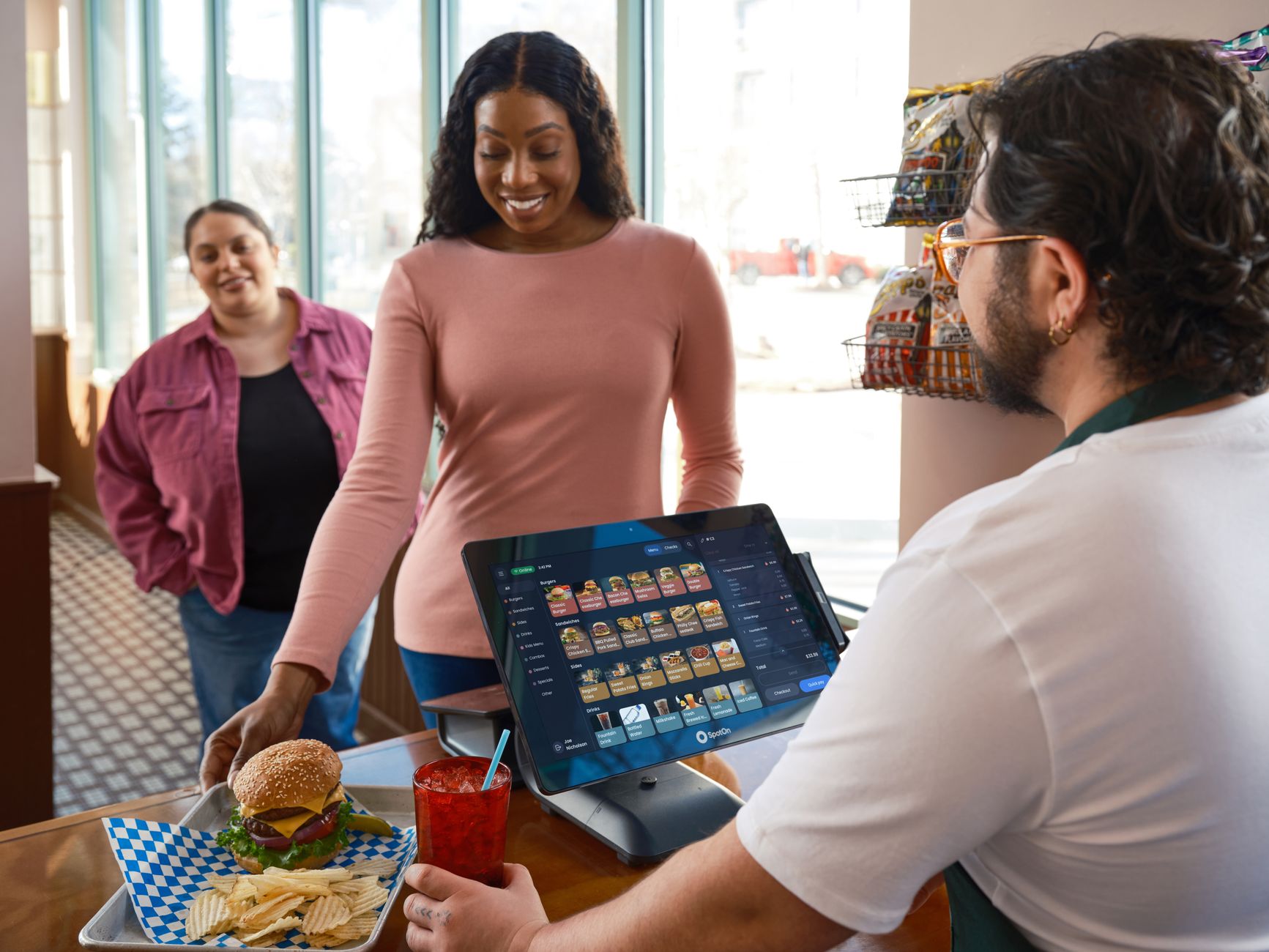
Operational efficiency inside a busy kitchen determines long-term profitability. Independent multicultural kitchens often operate under intense pressure, where managing multiple delivery tablets leads to delayed order acceptance, manual entry errors, and lost revenue. A truly scalable vertical platform must solve these operational bottlenecks at the software layer through seamless hardware and point-of-sale integration.
AfrocaEat addresses this challenge by delivering unified integration across leading POS infrastructure, including Square, Clover, Loyverse, and Epos Now. This single-pane-of-glass architecture automatically synchronizes menus, pricing, and real-time inventory adjustments directly between the platform and the restaurant’s in-store system. When an order is placed, it routes straight to the kitchen display or receipt printer without manual intervention, dramatically reducing preparation friction and order cancellation rates.
On the logistics front, delivery routing algorithms are tailored specifically for specialized food service needs. By optimizing driver dispatch, route batching, and temperature-controlled delivery flows, the platform ensures that complex dishes arrive in prime condition. Optimized logistics reduce transit times, preserve food quality, and lower fulfillment costs for merchants and consumers alike.
Cross-Border Scaling: The Playbook for Ontario, Europe, and Global Hubs
The opportunity for specialized FoodTech extends far beyond a single city or province. Independent operators in Ontario share remarkably similar operational challenges, inventory needs, and customer acquisition barriers as their counterparts in France, the United Kingdom, and across Europe. Building a scalable cross-border platform requires a standardized technical core combined with localized compliance, multi-currency processing, and tailored merchant onboarding.
To capture this global momentum, strategic FoodTech platforms must deploy a clear expansion playbook:
- Unified Operational Stack: Standardizing POS connectors and order dispatch logic allows instant deployment across new international markets.
- Localized Ecosystem Building: Tailoring marketplace categories, payment methods, and language options to mirror regional diaspora demographics and preferences.
- Merchant Empowerment: Providing actionable analytics, dynamic menu engineering tools, and marketing intelligence to help independent operators turn single orders into long-term customer relationships.
By connecting independent hospitality founders with modern digital infrastructure, vertical platforms like AfrocaEat are not merely delivering food; they are building the digital backbone for a multi-billion-dollar global culinary economy.