
Digitizing Heritage: The Strategic Imperative for Multicultural Gastronomy
The global restaurant industry is undergoing a structural transition toward digital-first operations, yet independent African, Caribbean, and Halal food business owners have historically faced significant systemic barriers. Operating across vibrant culinary corridors in North America and Europe—specifically within Ontario, Canada, and metropolitan France—these entrepreneurs deliver rich, cultural flavor profiles that command skyrocketing consumer demand. However, managing legacy ordering systems, fragmented phone channels, and manual kitchen workflows has traditionally capped operational velocity and suppressed operating margins.
Digital transformation is no longer a luxury for independent operators; it is the fundamental core of enterprise resilience. By transitioning from traditional pen-and-paper processes to cloud-native marketplace infrastructures, restaurant founders gain immediate transparency over order velocity, customer acquisition dynamics, and day-to-day revenue generation. Modern FoodTech platforms like AfrocaEat bridge this historical gap by creating specialized ecosystems tailored to the unique operational realities of heritage kitchens, enabling operators to preserve authentic traditions while adopting modern hospitality infrastructure.
- Expanded Digital Footprint: Seamlessly transition offline neighborhood loyalty into scalable online channel demand.
- Data Transparency: Access real-time analytics to understand hourly peak periods, top-performing SKUs, and customer lifetime value.
- Operational Standardization: Streamline front-of-house intake to eliminate order bottlenecks during peak dining hours.
Architecting Growth: Seamless Integration with Square, Loyverse, Clover, and Epos Now
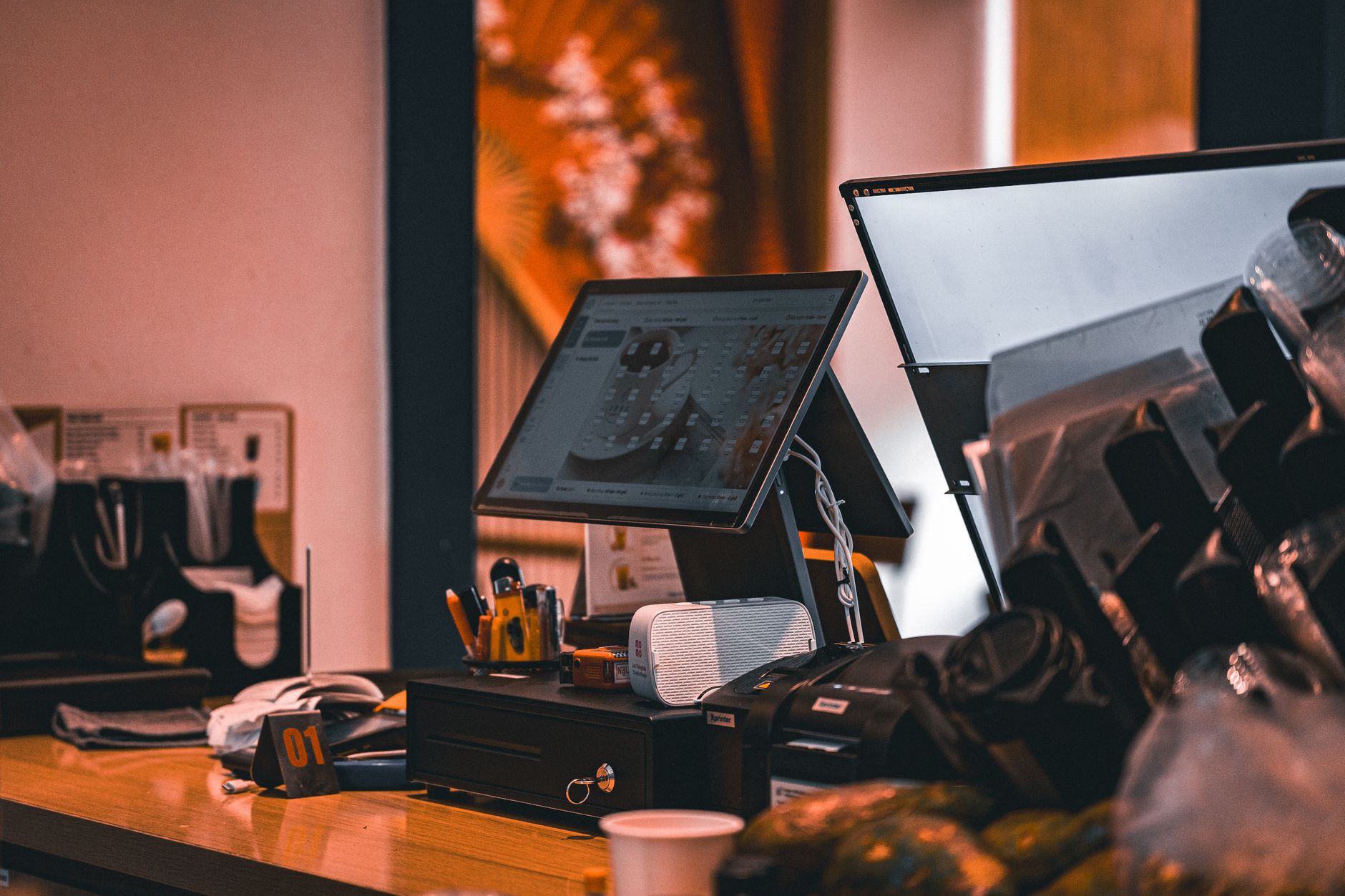
One of the primary friction points for independent restaurant operators expanding into delivery channels is tablet fatigue—the chaotic practice of juggling multiple hardware units, disparate merchant portals, and disconnected inventory ledgers. When an order placed on a digital platform does not automatically sync with the restaurant point-of-sale (POS) terminal, staff must manually re-enter ticket details. This manual bridge increases input errors, slows down kitchen turnaround times, and creates inventory discrepancies.
To solve this operational bottleneck, vertical integration with industry-standard POS hardware is essential. By building direct API connectors into leading POS systems—such as Square, Loyverse, Clover, and Epos Now—AfrocaEat centralizes the entire order management lifecycle onto a single pane of glass. Incoming orders from online marketplaces route straight into the kitchen display system (KDS) or receipt printer, syncing menu changes and stock levels instantly across all sales channels.
- Unified Ticket Management: Automatic injection of digital orders into Square, Clover, Loyverse, and Epos Now terminals.
- Real-Time Inventory Synchronization: Prevent item out-of-stock cancellations by automatically turning off unavailable ingredients across channels.
- Financial Consolidation: Simplify end-of-day accounting by aggregating off-premise marketplace revenue directly within the primary POS ledger.
Optimizing Last-Mile Logistics and Operational Velocity
In off-premise dining, execution speed and product integrity govern customer retention. Multicultural cuisines—characterized by complex stews, delicate rice preparations, hot grilled proteins, and specialized packaging requirements—present distinct challenges during transport. A delay in driver dispatch or poor route allocation directly degrades food temperature, leading to dissatisfied patrons and negative reviews.
Solving last-mile delivery for independent restaurants requires dynamic logistics orchestration. By pairing predictive algorithmic dispatching with specialized local courier networks, delivery windows are optimized based on real-time kitchen preparation times rather than static estimates. When a chef accepts a ticket, driver dispatch is timed precisely to match kitchen completion, minimizing wait time on the counter and keeping meals at optimal serving temperature upon arrival.
- Predictive Courier Dispatch: Synchronize driver pickup times with real-time kitchen preparation speed.
- Quality Preservation: Enforce delivery radius thresholds that guarantee food integrity and temperature stability upon arrival.
- Cost Optimization: Leverage aggregated delivery fleet networks to lower per-trip delivery costs for independent founders.
Unlocking Sustainable Scale Across Diaspora and Global Markets
The appetite for authentic African, Caribbean, and certified Halal dining is experiencing unprecedented momentum across international metros. From Toronto and Ottawa to Paris and Lyon, diaspora communities alongside broader foodie demographics actively seek authentic, high-quality culinary experiences. However, scaling a restaurant brand beyond a single physical footprint requires capital efficiency and standardized operational technology.
By unifying digital front-of-house ordering, backend POS hardware, and optimized last-mile execution, independent operators build a scalable foundation for sustainable expansion. Whether launching a secondary location, expanding into virtual kitchen concepts, or expanding across international borders, a structured FoodTech stack converts local culinary institutions into scalable enterprise brands. Sustainable growth in the modern restaurant ecosystem relies on robust technology, streamlined operational execution, and deep market commitment.
- Scalable Infrastructure: Replicate successful operational blueprints across secondary and tertiary physical locations.
- Market Expansion: Capitalize on growing consumer demand within multicultural metropolitan centers.
- Long-Term Margin Protection: Maximize profitability by reducing operational waste, ticket errors, and delivery delays.